 Image 1 of 4
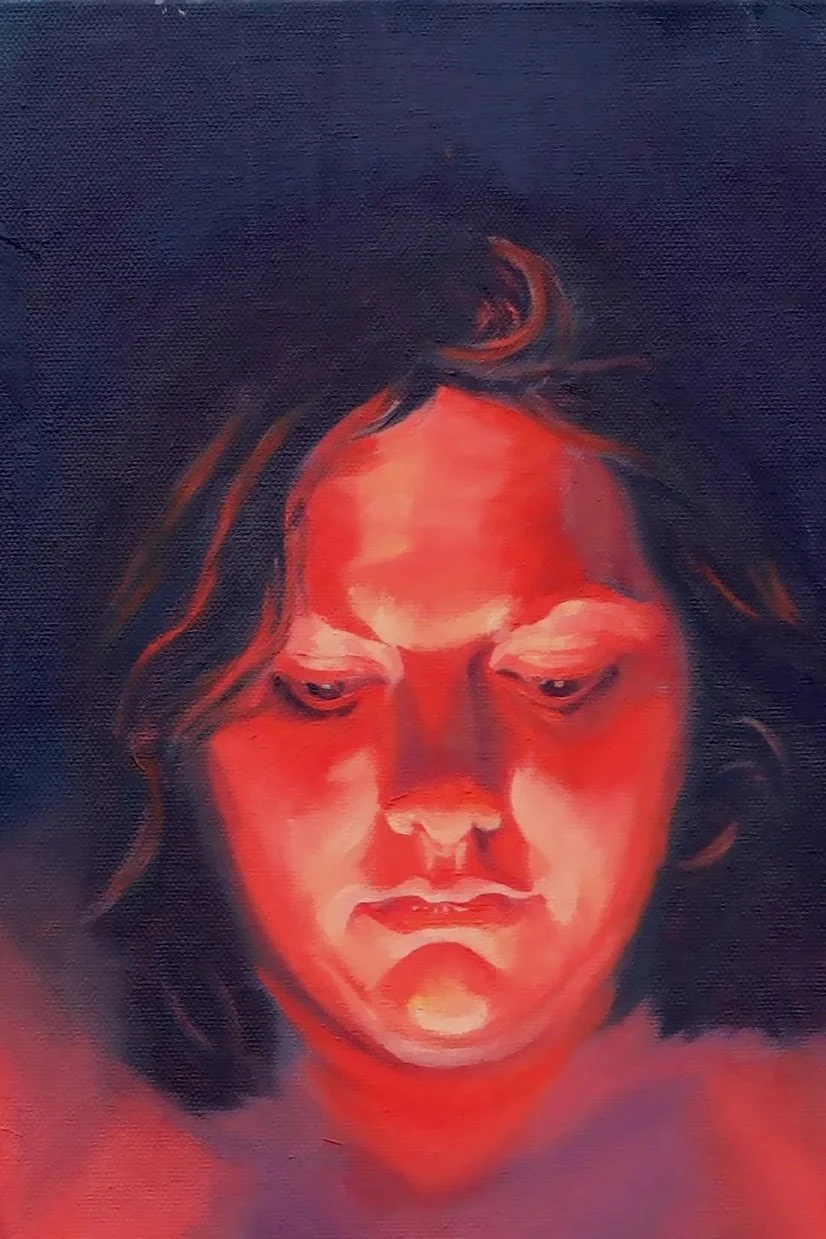 Image 2 of 4
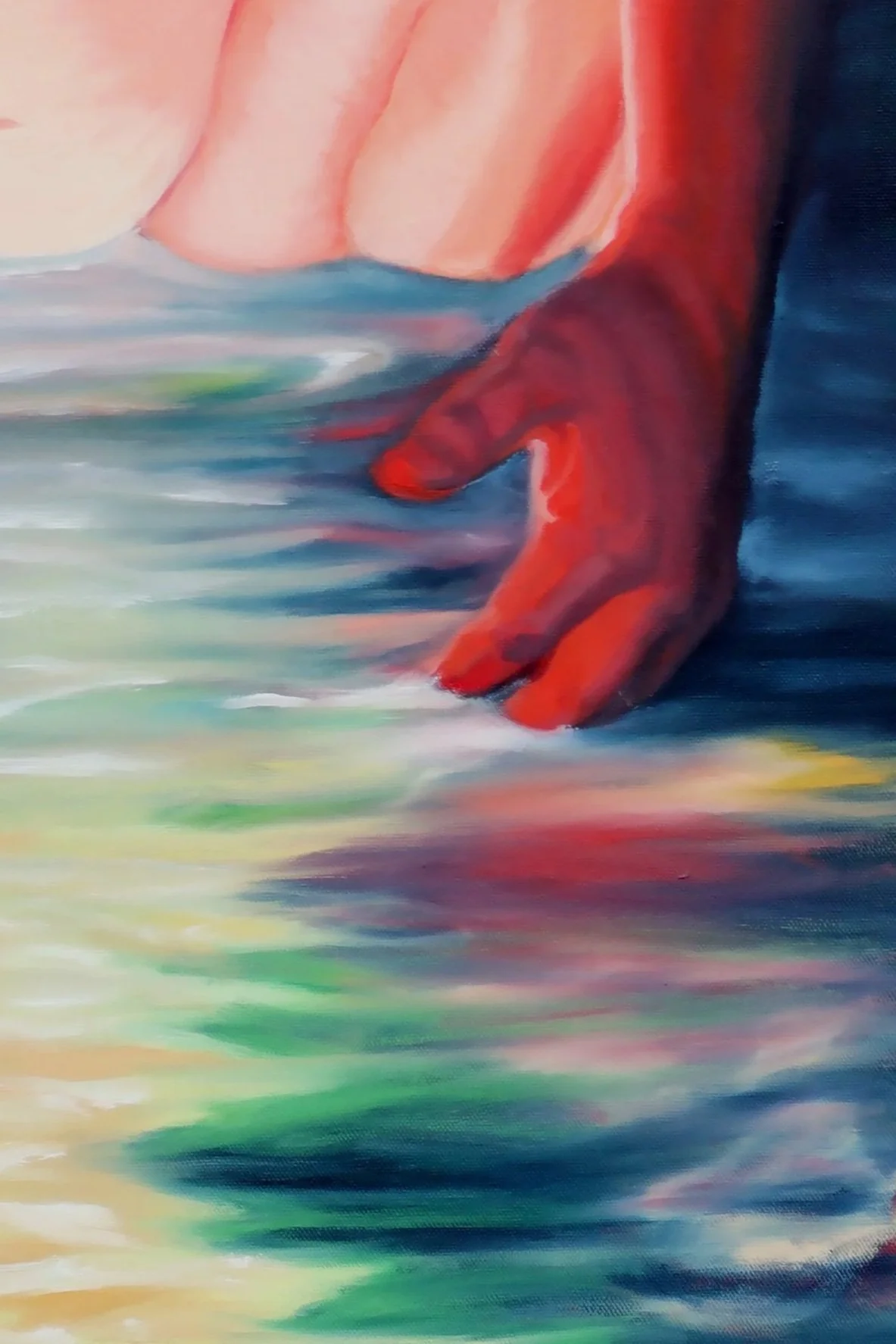 Image 3 of 4
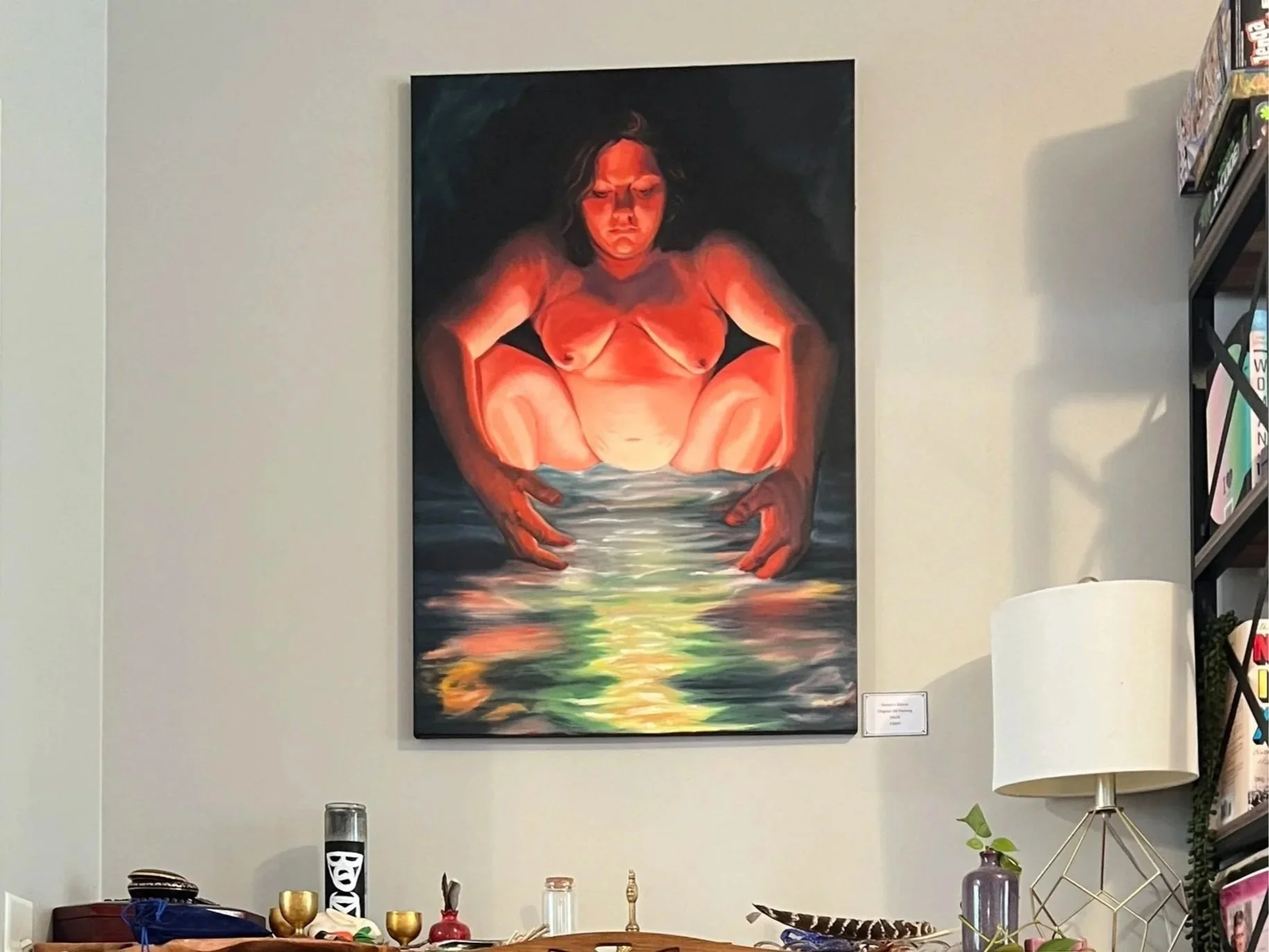 Image 4 of 4
24 x 36 | $1975
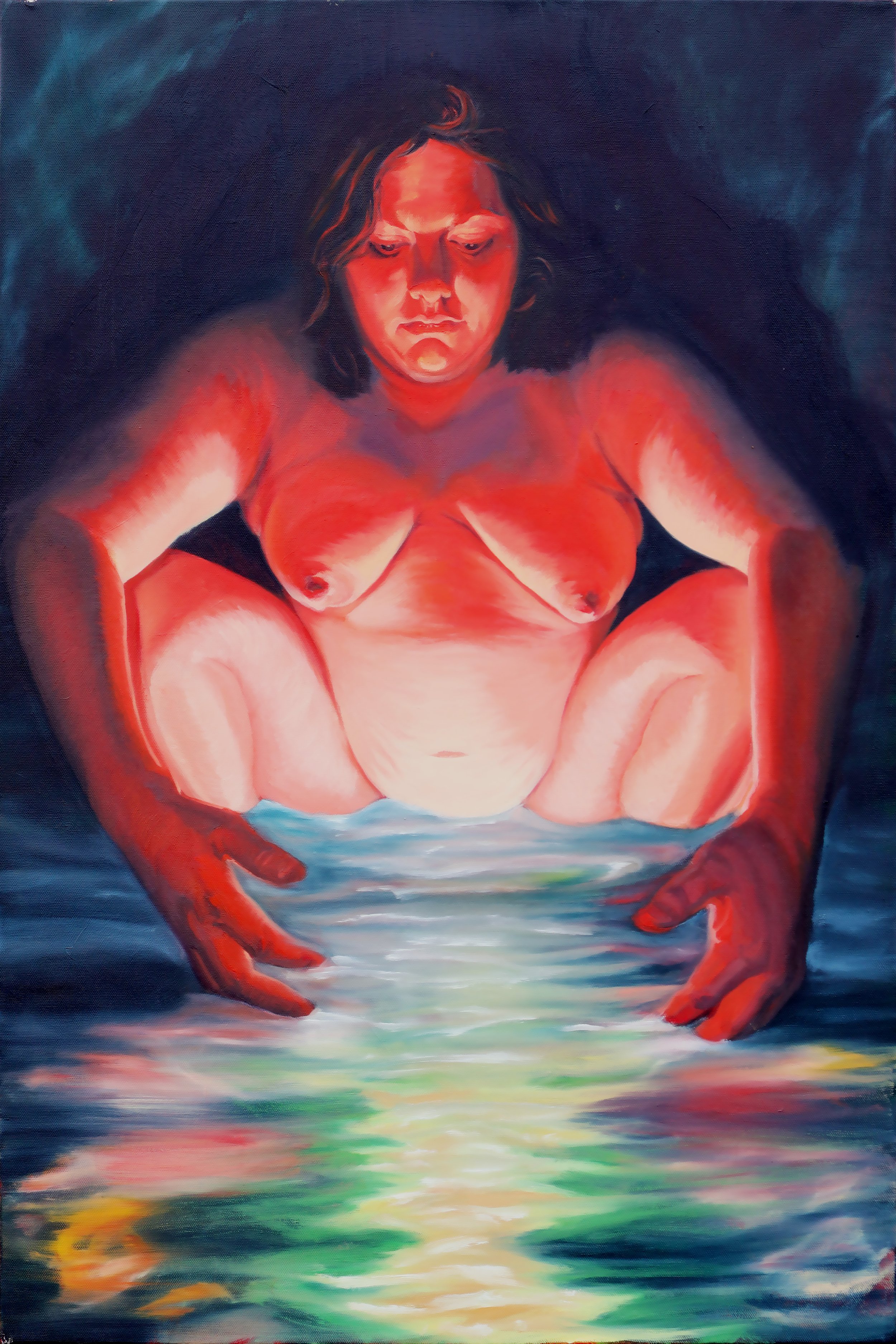
Hecate’s Mirror is a major original figurative painting from Metanoia, a body of work exploring transformation, shadow, intuition, and the spiritual thresholds we pass through. Named for Hecate, a goddess associated with crossroads, liminal spaces, and the unseen. This painting holds the feeling of looking into the dark and meeting oneself there.
A powerful figure crouches over glowing water, her red-lit body reflected in a luminous surface. The painting is direct, intimate, and archetypal. It feels like a moment of confrontation and recognition: the self meeting its own depth.
For collectors seeking a statement piece with mythic resonance, Hecate’s Mirror brings together contemporary figurative painting, spiritual symbolism, and emotional intensity. It would hold a room beautifully as a focal point.
This original artwork arrives wired and ready to hang. It will be personally packaged by the artist with protective padding in a reinforced box to ensure it arrives safely and beautifully.
Receive private previews - https://www.kschuttart.com/list
24 x 36 | $1975
Hecate’s Mirror is a major original figurative painting from Metanoia, a body of work exploring transformation, shadow, intuition, and the spiritual thresholds we pass through. Named for Hecate, a goddess associated with crossroads, liminal spaces, and the unseen. This painting holds the feeling of looking into the dark and meeting oneself there.
A powerful figure crouches over glowing water, her red-lit body reflected in a luminous surface. The painting is direct, intimate, and archetypal. It feels like a moment of confrontation and recognition: the self meeting its own depth.
For collectors seeking a statement piece with mythic resonance, Hecate’s Mirror brings together contemporary figurative painting, spiritual symbolism, and emotional intensity. It would hold a room beautifully as a focal point.
This original artwork arrives wired and ready to hang. It will be personally packaged by the artist with protective padding in a reinforced box to ensure it arrives safely and beautifully.
Receive private previews - https://www.kschuttart.com/list